Skip to content
Kinetic
Lingo

Our Programs

Languages are meant to be lived.

Kinetic Lingo creates immersive Spanish and Mandarin learning experiences where children move, explore, imagine, interact, and communicate.

Both programs are built through the same KINETIC methodology while respecting the distinct languages, communities, histories, and cultural contexts children encounter through each one.

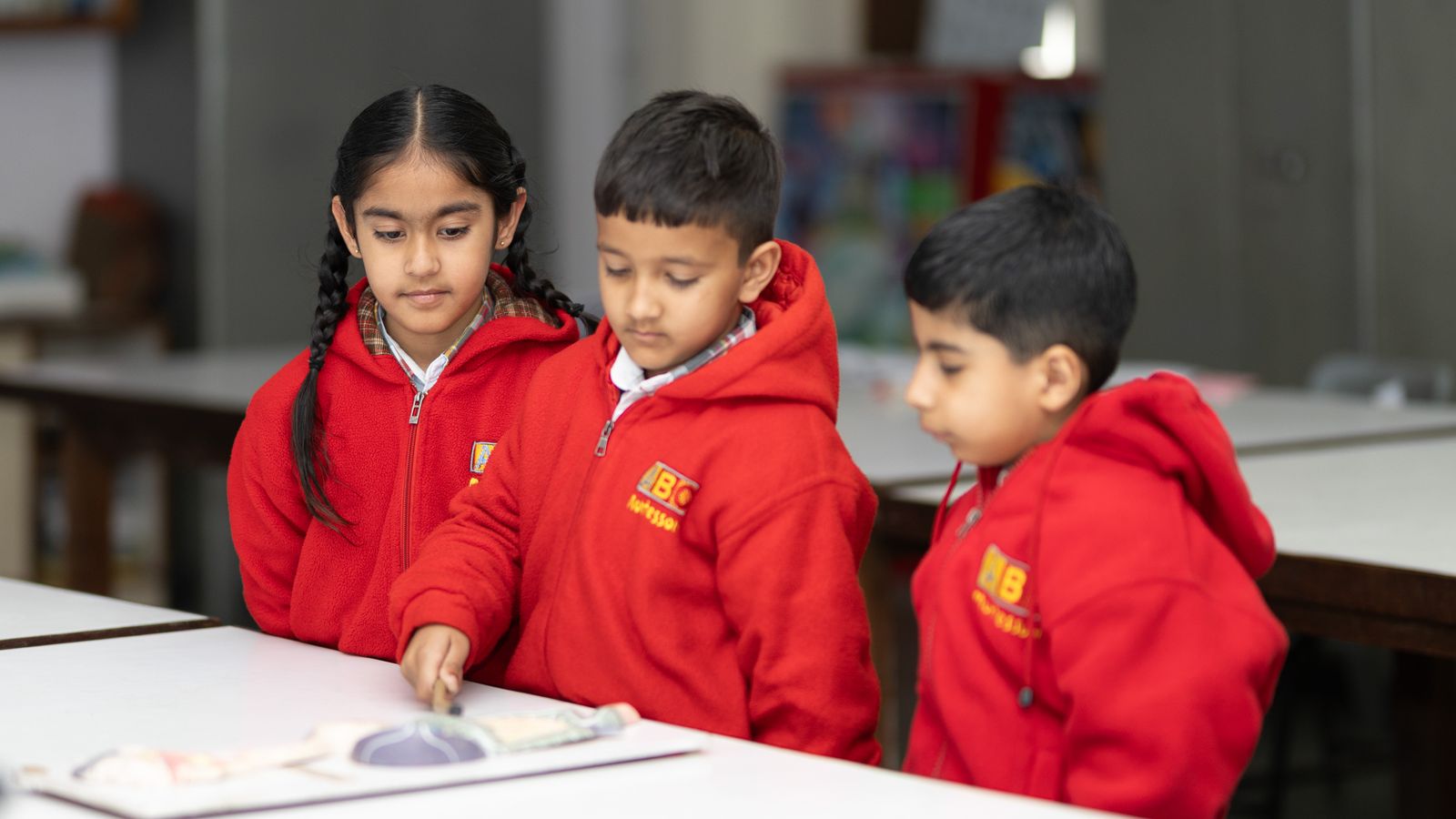
An elementary-aged student taking part in a hands-on classroom experience

Our First Languages

Two languages. Countless worlds to explore.

Spanish and Mandarin are Kinetic Lingo’s first program languages.

Children encounter each language through meaningful experiences rather than isolated vocabulary—using movement, objects, stories, interaction, imagination, and cultural context to give language something to do.

Elementary-aged students exploring a book together during a classroom activity

Español

Spanish

Spanish connects children with a language spoken across many countries, regions, communities, and everyday lives. Kinetic Lingo Spanish experiences introduce language through meaningful situations while helping children encounter the diversity of Spanish-speaking communities with curiosity and context.
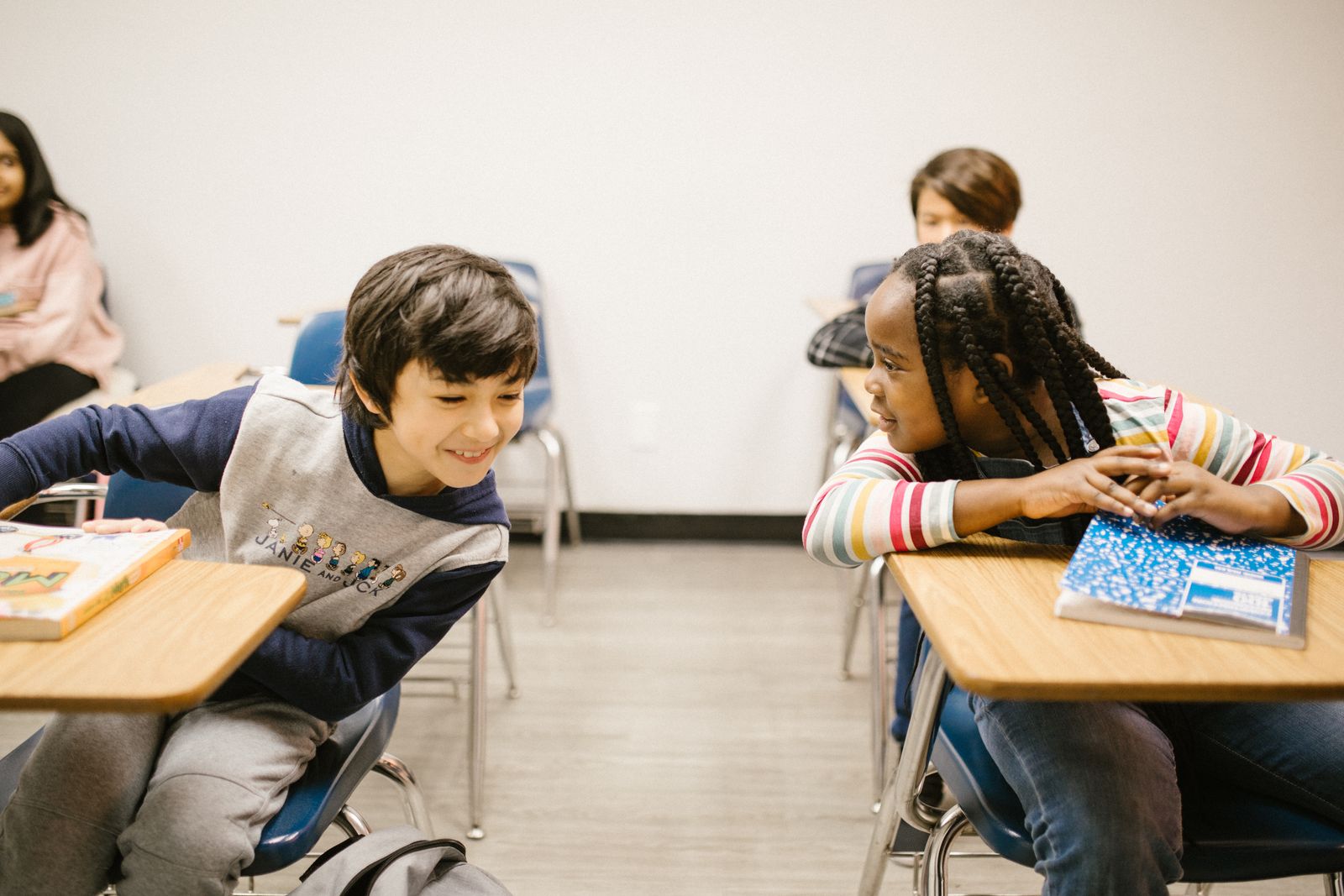
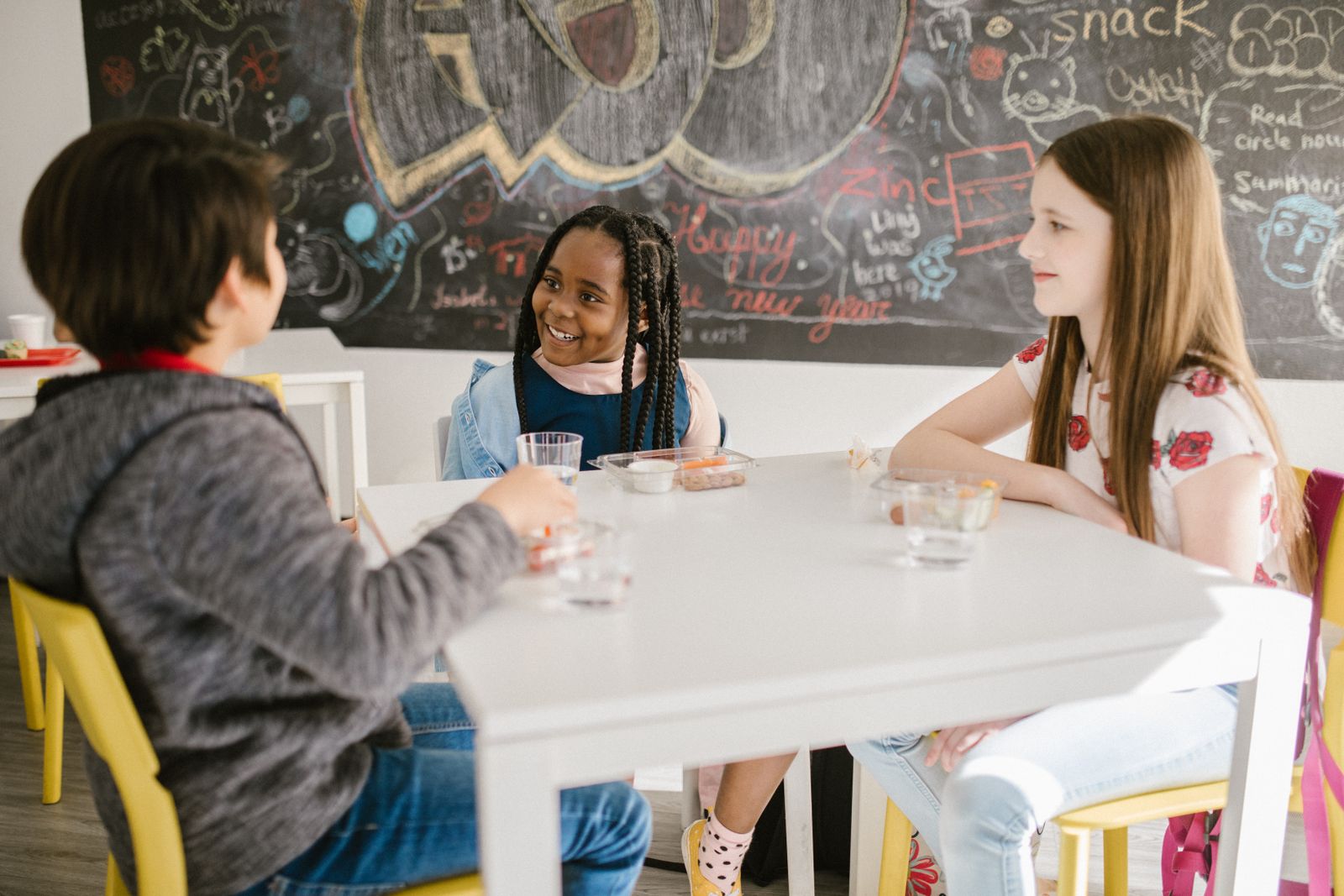
Two elementary-aged students leaning across their desks to talk together

普通话

Mandarin

Mandarin gives children an entry point into a language used by communities across different places, generations, and contemporary lives. Kinetic Lingo Mandarin experiences bring spoken language, meaningful interaction, tangible exploration, and cultural context together so children can encounter Mandarin as something people use to connect and communicate.

Inside a Kinetic Lingo program

Language has something to do.

A Kinetic Lingo experience gives children reasons to encounter and use language.

They might move through an imagined market, follow a route, choose an object, respond to a friend, enter a story, solve a shared challenge, prepare something together, notice a cultural detail, or change what happens next.

The language becomes part of the experience rather than something separated from it.

  1. 01

    Meaningful Movement

    Children use purposeful action to experience linguistic meaning.

  2. 02

    Tangible Exploration

    Objects and materials give children something real to manipulate, choose, exchange, organize, discover, or respond to.

  3. 03

    Imaginative Experiences

    Stories, journeys, challenges, environments, and scenarios create reasons for language to matter.

  4. 04

    Cultural Context

    Children encounter language in connection with people, places, everyday life, traditions, stories, and contemporary communities.

  5. 05

    Human Interaction

    Responsive instructors and peers give children genuine reasons to communicate.

  6. 06

    Multiple Ways to Participate

    Children can enter through speech, gesture, movement, objects, partners, observation, or combinations of these.

From experience to communication

A simple rhythm. Many ways to enter.

  1. 01

    Embody it

    Encounter meaning through movement, gesture, objects, sound, space, and demonstration.

  2. 02

    Live it

    Enter an experience where the language has a reason to exist.

  3. 03

    Enter it your way

    Participate through speaking, moving, pointing, choosing, observing, working with a partner, or combining approaches.

  4. 04

    Share it

    Use growing language to respond, communicate, collaborate, create, or influence what happens next.

Children enter language differently

Curiosity can begin before confidence.

Some children may arrive already hearing or speaking the language at home. Others may be encountering it for the first time.

Some may speak quickly. Others may listen, watch, gesture, move, or participate alongside a partner before using new language aloud.

Kinetic Lingo is designed to create multiple meaningful ways to participate while giving children opportunities to encounter, understand, and increasingly use the target language.

Participation comes before performance.

Children should have room to experiment, approximate, make mistakes, and build confidence without being shamed for imperfect language or pronunciation.

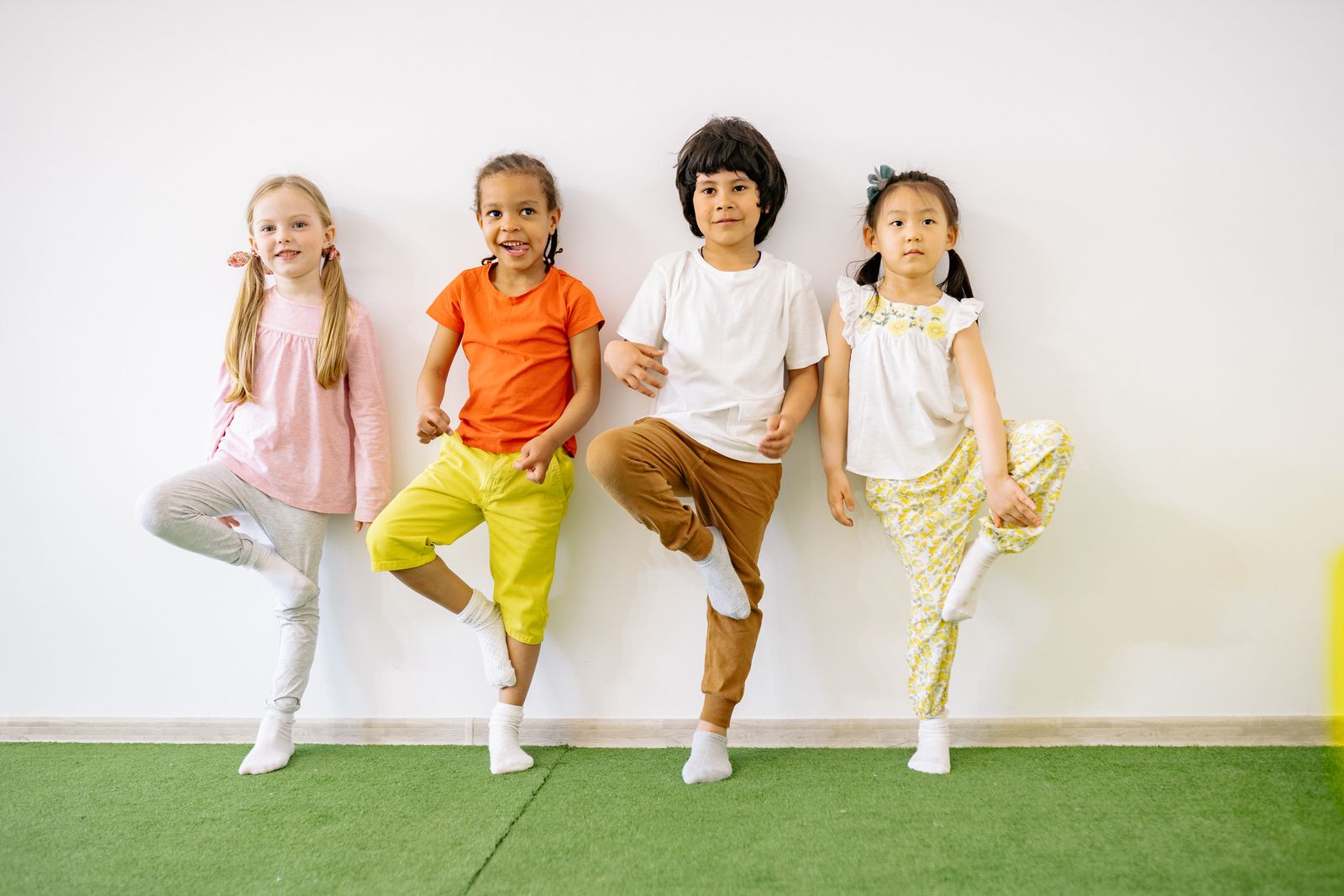
Elementary-aged children balancing together during a classroom movement activity

Culture as context, not costume

A language is never just vocabulary.

Spanish and Mandarin are living languages shaped and used by communities with different histories, places, identities, traditions, and contemporary lives.

Kinetic Lingo brings cultural context into the learning experience without treating a single food, holiday, costume, landmark, or tradition as representative of an entire language community.

Children should encounter language with curiosity, context, and respect.
Culture as context · not costume

Learning you can hold

The experience doesn’t disappear when class ends.

Immersion Kits

Kinetic Lingo Immersion Kits use purposeful objects and tactile materials to help transform learning spaces into environments children can enter, explore, manipulate, and communicate within.

Materials should serve the learning experience—not simply decorate it.

Language Passport

The physical Kinetic Lingo Language Passport gives children a tangible place to record experiences, discoveries, and progress over time.

Stamps, marks, drawings, reflections, and other artifacts can help make the learning journey visible to children and families.

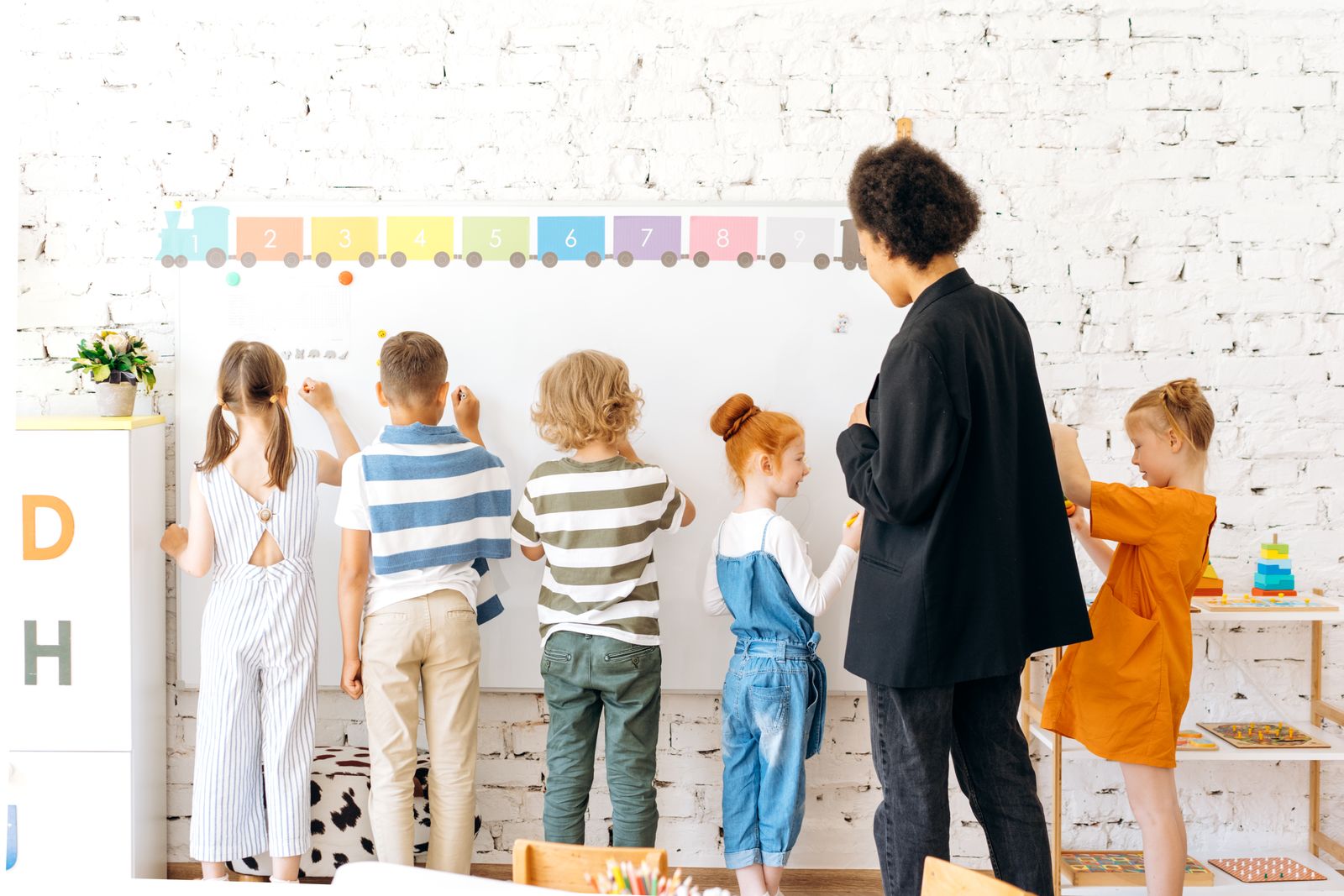
An instructor supporting elementary-aged students during a classroom activity

Founding Programs · San Francisco Bay Area

The first Kinetic Lingo programs are taking shape.

We’re preparing our founding Spanish and Mandarin programs in the San Francisco Bay Area and building a community of families interested in experiencing Kinetic Lingo from the beginning.

Exact locations, age groups, schedules, tuition, and enrollment details will be announced as pilot planning is finalized.

  • Español

    Spanish

  • 普通话

    Mandarin

Be part of the founding community

Interested in a Kinetic Lingo program for your child?

Join the interest list to receive program announcements, location updates, and news about the first Kinetic Lingo pilot programs in the San Francisco Bay Area.